Things to Do in Ireland
Peat smoke, cliff edges, and conversations that outlast the rain
Top Things to Do in Ireland
Find activities and tours you'll actually want to do. Book through our partners -- no booking fees.


Plan Your Trip
Essential guides for timing and budgeting
Climate Guide
Best times to visit based on weather and events
View guide →Day Trips
The best excursions and nearby destinations worth the journey
Explore day trips →Where to Stay
Best neighbourhoods, hotel picks, and booking tips
Find hotels →Travel Insurance
What's required, what coverage matters, and how to get a quote
Read guide →What to Pack
Climate-specific gear, essentials, and what to leave at home
See packing list →When Should You Visit Ireland?
Tap a month for weather, crowds, and highlights
View full year-round climate guide →Road Trips from Ireland
Explore scenic driving routes and epic journeys


Your Guide to Ireland
About Ireland
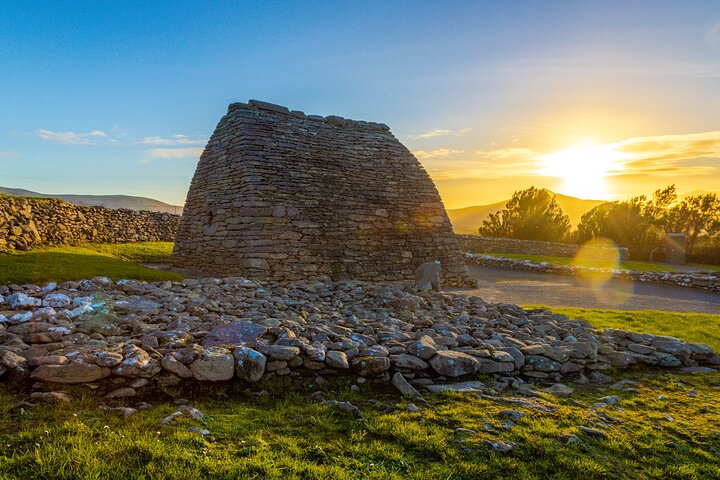
Ireland greets you with the scent of wet grass and peat smoke before you've even cleared the airport car park. The drive west from Dublin, past the flat boglands, through Galway's medieval lanes where buskers work the cobblestones outside the Spanish Arch, out to Connemara where the Atlantic pounds granite, is the kind of road that forces you to pull over every twenty minutes because the light keeps changing its mind.
A country roughly the size of South Carolina packs sea cliffs dropping into foam at Slieve League in Donegal, the limestone moonscape of the Burren where Arctic and Mediterranean wildflowers share the same crack, and pubs in Doolin where the fiddle session starts at nine and nobody mentions leaving until past midnight.
Dublin's Grafton Street buzzes with street performers between Trinity College and St. Stephen's Green, while Merrion Square's Georgian terraces still wear brass plaques for the ghosts: Wilde, Yeats, the whole crew. The honest trade-off is weather; Ireland gets rain two hundred days a year, and the forecast often reads like a threat.
But the rain is why everything looks the way it does, that saturated almost-electric green that photographs never quite nail. Dublin runs pricier than most of Western Europe for accommodation and food. Yet head west and the gap closes fast. You'll eat better than Ireland's reputation suggests. Galway Bay oysters taste of cold brine and mineral, the soda bread near Kenmare arrives warm from the oven, and the full Irish breakfast, black pudding, rashers, eggs, grilled tomato, will carry you clear through to dinner.
Come for the cliffs. Stay because the pub session started at nine and it's half-past midnight and nobody's mentioned leaving.
Ireland's pull is the country drive, but Dublin is its own decision - whether the Cliffs of Moher day-trip is worth the early start, which pubs the locals keep versus the Temple Bar ones they cede to visitors, when the Guinness Storehouse queue stops being painful - and TTDI's Dublin answers work through those at city depth.
Travel Tips
Transportation: Ireland's rail network links Dublin to Cork, Galway, and Limerick. But the most rewarding scenery sits along narrow roads no train reaches. Renting a car is likely your best move for the Wild Atlantic Way and the Dingle Peninsula, though you'll be driving on the left on roads that occasionally narrow to one lane between stone walls with a tour bus bearing down from the other direction. In Dublin, the Luas tram and DART coastal rail cover most of what you'll need. Pick up a Leap card at any station. It works across bus, tram, and rail and saves a fair amount over single fares. Skip taxis in rush hour. Dublin traffic makes walking faster.
Money: Ireland uses the euro, and card payment works nearly everywhere, pubs and market stalls included. Carry some cash for rural areas. Smaller B&Bs and farm shops along the west coast sometimes prefer it. Tipping is relaxed compared to the United States. Rounding up or leaving around ten percent at restaurants is the norm, and nobody will chase you down if you don't. Dublin costs sit well above the rest of the country for food and lodging; Cork and Galway offer comparable quality at friendlier prices. One trap worth knowing: dynamic currency conversion at ATMs and card terminals. Always choose to pay in euros rather than your home currency. The markup is consistently steep enough to sting.
Cultural Respect: The Irish tend to be allergic to directness about certain topics. Pressing on someone's income, politics in the North, or the Catholic-Protestant question in mixed company will earn a warm smile and a swift subject change. Pub culture matters more than you'd expect; if someone buys you a pint, you owe one back before the night ends. Don't order an Irish Car Bomb. The name references real violence, and bartenders will refuse the order, sometimes sharply. Punctuality outside Dublin is treated as suggestion rather than rule. Showing up half an hour late is practically on time. Lean into it rather than fighting it.
Food Safety: Ireland's food reputation has quietly transformed over the past two decades, and the old jokes about bland cooking no longer land. The west coast seafood is the headliner: Galway Bay oysters, briny and iron-edged, served with nothing but a squeeze of lemon, and smoked salmon from around the Burren carrying a salty richness the vacuum-packed supermarket version cannot touch. Tap water is safe everywhere. The full Irish breakfast at any B&B is enormous: rashers, sausages, black and white pudding, eggs, beans, toast, grilled tomato. Eat it early and lunch becomes optional. Cork's English Market and Galway's weekend market both deserve a slow morning for the farmhouse cheese and brown bread alone.
When to Visit
Ireland's weather is a fickle beast. Expect rain and a sun that clocks in when it pleases. July and August top the thermometer at 18 to 20 degrees Celsius (64 to 68 Fahrenheit). Hardly scorching. Light lingers past 22:00 and the Atlantic sunset unfurls so slowly it feels choreographed. Coaches snake along the Ring of Kerry.
The Cliffs of Moher car park fills before noon. Wild Atlantic Way rooms sell out weeks ahead at peak-season prices that dwarf the rest of the year.
May and September win. May drapes the Burren in wildflowers, days stay long, and shoulder-season rates sit well below July or August. September gives warmer seas and the same elbow room. Weather flips: five clear days, then sideways rain, sometimes both before lunch. Pack layers. Bring a shell.
March and April serve daffodils, longer dusk, and St. Patrick's Day. The Dublin parade happens March 17 with a multi-day festival. Skip the green beer. Expect street theatre and trad sessions in every pub from Temple Bar to Stoneybatter. Thermometers read 8 to 12 degrees Celsius (46 to 54 Fahrenheit). The land greens fast. Tourists stay thin; you'll find a stool in a Galway pub without queuing.
November through February is raw. Air rarely freezes. Yet Atlantic wind plus damp dusk at 16:30 chills to the bone. Solitude rules. Connemara in January, cloud scraping the Twelve Bens and rain off the ocean, feels primal. Prices drop outside Dublin. Galway and Cork Christmas markets glow from late November through December with mulled wine and candlelight.
Families stick to June through August. Couples and solos pick May or September. Fewer crowds. Lower tabs. Enough daylight to cruise the coast roads slow and easy.
More Ways to Experience Ireland
Tours, day trips, and local experiences curated by on-the-ground operators.
Didn't see anything interesting yet?
Browse Viator's full catalog of tours, day trips, food experiences, and private guides in Ireland.
See All Ireland Tours on Viator