
Ireland with Kids
Family travel guide for parents planning with children
Top Family Activities
The best things to do with kids in Ireland.
Rock of Cashel, County Tipperary
Kids step through these medieval ruins, poof, straight into a fantasy novel. The cluster of stone crowns a limestone hill above Tipperary plains. The round tower, the roofless cathedral, and Cormac's Chapel with its faded Romanesque carvings, they're atmospheric. Hilltop views roll on forever. Drama guaranteed.
Cliffs of Moher, County Clare
700-foot cliffs drop straight into the Atlantic, no filter needed. Even teenagers who've seen every landmark roll their eyes will stop. The underground visitor center explains the geology and the seabird colonies nesting in the cliff faces.
Dublin Zoo, Phoenix Park
Europe's oldest zoo sits inside Europe's largest urban park and still beats most modern rivals. The African Savanna section delivers, giraffes stride across open grass while zebras bunch under shade. Toddlers burn energy at playground areas tucked between exhibits. Parents get five-minute breathers. Phoenix Park dwarfs everything, deer wander freely beyond the zoo gates, so you can stretch one ticket into a full day.
Bunratty Castle and Folk Park, County Clare
Part medieval castle, part open-air museum of 19th-century Irish rural life, Bunratty nails the cross-generational sweet spot. Kids under ten bolt straight for the reconstructed farmhouses, mouths open at blacksmiths and weavers who still know their trade. Teens? They'll climb the castle tower and pretend they're not impressed. The medieval banquet dinners after 6 p.m. cost €55 per adult, €25 for children, and yes, you'll drop that cash without regret.
Newgrange and Brú na Bóinne, County Meath
5,200 years old, older than Stonehenge or the Egyptian pyramids, and the interior tour, where a guide recreates the winter solstice light phenomenon, is one of the memorable experiences Ireland offers. School-age children who've covered ancient history tend to find it fascinating rather than dull. The comparison to Stonehenge gives them a useful reference point.
Killarney National Park, County Kerry
Three glacial lakes, Ireland's only native red deer herd, and the country's last surviving ancient oak woodland make Killarney one of the most visually rewarding places for families who like being outdoors. You can hike, rent bikes on the carriage roads, or take a traditional horse-drawn jaunting car ride, younger children find this entertaining in a slightly theatrical way.
EPIC The Irish Emigration Museum, Dublin
Older kids lean in. This underground museum in Dublin's Docklands grabs them. Interactive exhibits trace Irish emigration, Oscar Wilde, JFK, and plenty more. The design is modern, no question, touchscreens, immersive displays, the works. The story of how Irish people fanned across the globe hits home for children who carry that heritage themselves.
Connemara National Park, County Galway
Blanket bogs, mountain trails, raw Atlantic landscape that feels like the edge of the world. The visitor center near Letterfrack is small but well-designed, exhibits on local ecology that younger children find accessible. The Diamond Hill loop trail is achievable with motivated 8-year-olds. Views that justify the effort entirely.
Titanic Belfast, Northern Ireland
The world's largest Titanic exhibition stands on the exact Belfast slipway where the ship took shape, and the production values will floor you. You climb aboard a six-car ride that rattles through a recreated 1912 Belfast, rivets clang, fog rolls in, and the whole thing feels alarmingly real. Kids who've soaked up the Titanic story through film walk out insisting the gritty historical truth beats the movie every time.
Best Areas for Families
Where to base yourselves for the smoothest family trip.
Skip Temple Bar. The southside residential neighborhoods near the city center beat it for families every time. You'll get Phoenix Park, the National Museum, and EPIC within easy reach, enough to fill several days without the tourist crush. Ranelagh or Ballsbridge puts you among real grocery stores, actual playgrounds, and restaurants built for locals who live there, not just pass through.
Highlights: Phoenix Park hands you 1,750 acres of free outdoor space, no ticket, no fuss. St. Stephen's Green hides a duck pond toddlers mob daily. The National Museum of Ireland won't charge you a cent, just walk in. Hop the Luas tram, easy, cheap, and it runs on time.
Killarney is Ireland's most polished tourist town, blessing and curse. The downside? Peak season feels theme-park-ish. Total chaos. The upside? They've cracked family travel. Killarney National Park sits a ten-minute stroll from the town center. Restaurants hand out children's menus and high chairs like candy. The whole region assumes you'll want activities, not just pub culture.
Highlights: National park trails start right at the hotel door. No shuttle needed. The Lakes of Killarney boat trips leave every hour, Ross Castle looms overhead as you board. Muckross House and gardens sit four miles south. Bike rental infrastructure means you'll pedal there in 20 minutes flat. The Ring of Kerry day trip still demands a full tank and 6 AM resolve.
Westport is a planned Georgian town on Clew Bay that's become Ireland's most liveable small town, quietly. The octagonal town center works. Pedestrian-friendly streets work better. Croagh Patrick, Ireland's holy mountain, looms nearby. The Greenway cycling trail runs past your door. Active families love this base. Less touristy than Killarney, most families call that a feature.
Highlights: The Great Western Greenway delivers 42km of traffic-free cycling, bike rentals everywhere. Clew Bay boat trips bounce between islands. Westport House and Pirate Adventure Park keep younger children busy. Excellent food scene punches far above a small town's weight.
Galway's the small city that parties hardest. Yet its medieval core is built for parents pushing strollers. The Latin Quarter lanes won't trap wheels (mostly), buskers hold toddlers spellbound, and the whole place works as a base for the Cliffs of Moher, Connemara, and the Aran Islands. Kids under five go quiet at Eyre Square's Saturday market and bolt for the Spanish Arch steps above the River Corrib.
Highlights: Galway City Museum won't cost you a cent, free entry, and older kids won't yawn. The exhibits grip them. Eyre Square farmers market rolls in every Saturday. Salthill beach and promenade sit 2km away, easy walk, cold swim. Day trips to Aran Islands via ferry leave daily.
Less polished than Killarney, slower too. But the Dingle Peninsula delivers Atlantic drama that few places match. Fungie's bay still draws crowds though the famous dolphin has retired and departed. Kids discover a working fishing village atmosphere they won't find elsewhere. The Slea Head Drive takes half a day, easy loop. Beehive huts, sea stacks, clifftop views. All ages agree: these sights hold up.
Highlights: Slea Head Drive snaps you into another Ireland, raw cliffs, Blasket Islands viewpoints that stop conversation cold. Fungi Bay boat trips run daily; you'll see dolphins if the Atlantic's in a good mood. Dingle Distillery (adults) pours small-batch gin and whiskey, then shoves you next door to its café for coffee and cake. Inch Beach stretches for miles, sandcastles at low tide, Atlantic waves crashing in.
Family Dining
Where and how to eat with children.
Irish dining has improved over the past decade. Families are well-catered for in most tourist areas and larger towns, no exceptions. High chairs and children's menus are standard in any restaurant outside the most formal establishments. Portions tend to be generous in a way that suits families watching their food budget. The dining scene is decidedly informal. Nobody will rush you. Nobody will make you feel unwelcome for taking up a table for 90 minutes with small children. The main challenge is price. A sit-down family dinner in Dublin or Kerry will run $60, $100 for a family of four without drinks. That adds up over a week. Self-catering apartments with kitchen access make a meaningful financial difference.
Dining Tips for Families
- Irish pubs, don't overlook them. Most have family-friendly dining areas, walled off from the bar, and they keep the kitchen running until 9pm. That makes them your smartest pick for relaxed, affordable meals where kids can squirm and nobody flinches.
- Skip dinner. In Ireland, lunch is the smarter move. Same restaurant, same plate, $12, $16 at midday versus whatever they'll charge after dark. The lunch specials don't skimp; you'll get the same quality, smaller bill, and you'll still have cash left for a pint.
- Centra and Spar convenience stores (ubiquitous across Ireland) are excellent for family staples, fresh sandwiches, fruit, yogurt, and snacks at reasonable prices for days when you can't face a sit-down meal
- Sunday lunch, the roast, is sacred. Pubs pack out by noon. They carve beef, lamb, chicken, heap vegetables, drown plates in gravy. Adults pay $18, $25. Kids eat half-size for half-price.
- Menus flag allergens now. Staff in tourist areas field dietary questions without blinking.
The best practical option for families, welcoming, child-appropriate areas away from the bar, familiar comfort food (fish and chips, beef stew, lasagne for picky eaters), and staff who've seen every combination of tired, hungry child imaginable. Look for pubs that advertise 'family dining area' or 'carvery lunch'.
Ireland's chipper culture delivers, battered cod or haddock with thick chips, wrapped in paper, eaten at the harbor or a nearby bench. Kids love it. Fast. Cheap. good. Beshoff's in Dublin nails it. Coastal towns hide plenty of local chipsters. Track them down.
Irish café culture has exploded. Most town centers now pack independent cafés slinging soups, toasties (toasted sandwiches), and daily specials that'll feed the whole family. They're built for lingering, high chairs everywhere, and serve the best-quality casual food you'll find in smaller towns.
Skip restaurants tonight. Dunnes Stores, Tesco, and SuperValu sit in most Irish towns, and their prepared food sections punch way above their weight, rotisserie chickens, ready-made salads, deli counters that rival cafés. Grab dinner ingredients or ready meals, head back to your cottage or apartment, and you'll slash family food costs in half.
Tips by Age Group
Tailored advice for every stage of childhood.
Ireland with toddlers (ages 0, 4) works, Irish people want you there. The catch? You'll spend half your trip wrestling cobblestone streets against strollers while your child's nap schedule collides head-on with the country's relaxed "sure it'll be grand" timing. Base yourself somewhere with outdoor green space nearby, this isn't optional. Accept you won't cover a third of what you planned. Lean hard into what toddlers love: animals, open spaces, and the water. That's the complete strategy.
Challenges: Strollers can't handle cobblestone. Dublin's Temple Bar, Galway's Latin Quarter, Kilkenny's medieval core, all stroller-unfriendly. Baby carriers work better here. Changing facilities? Most visitor center and museum bathrooms have them, pubs and older buildings don't. Inconsistent. Rain gear matters. A waterproof stroller cover is worth packing. You'll need it. Castle interiors, narrow spiral staircases, many historic sites are physically inaccessible with strollers.
- Baby carriers beat strollers at every heritage site, castle interiors and historic buildings are labyrinths of steps and narrow passages that swallow wheeled contraptions whole.
- Irish supermarkets stock every major European baby food and formula brand. Aptamil and Cow & Gate line the shelves, widely available, no hunting required. US-brand formulas? They're hit-or-miss.
- Nap at noon. Ireland's check-in rules bend, not break, you'll get your key when you arrive, not at 3 p.m. sharp. Cottage rentals come with actual living rooms, not shoebox lobbies. The combo means siesta beats hotel travel every time.
- 'Craic' (crack) is Irish for fun, locals drop it into every second sentence. The culture is relaxed, friendly, and when your toddler melts down in the supermarket nobody bats an eye. They're not judging you; they're remembering their own chaos.
Ireland is built for 9-year-olds. The country's mythology, medieval history, and dramatic landscapes turn into the exact adventure stories that kids this age devour. Tell a 9-year-old the Children of Lir before they reach a lake in Connemara, or explain Cromwell before they step inside a ruined castle, and the trip changes completely. A child who knows the tale sees battlements instead of rocks. A bit of storytelling before each stop pays off, huge dividends, every time.
Learning: Ireland crams more school-trip gold into one small island than seems fair. Neolithic tombs pre-date the pyramids; Vikings stormed ashore; Normans grabbed land; English boots marched in. The Famine hollowed the west. Independence followed. That arc fits primary syllabi like a glove. Dublin's National Museum of Ireland Archaeology wing displays the Bog Bodies, ancient human remains pulled from peat, so well-preserved kids stare, half-thrilled, half-horrified. Perfect. The Book of Kells at Trinity College Dublin costs a chunk. Yet older primary pupils still trace the medieval scribes' ink with their eyes. Worth the price.
- $22, $26 per adult for the Book of Kells at Trinity College Dublin, free for under-15s. The Long Room library alone justifies the price. One of the world's most impressive libraries, it never fails to wow even reluctant 10-year-olds.
- Skip the guidebooks. Ireland still believes, púcas, banshees, leprechauns, and the Tuatha Dé Danann aren't museum pieces; they're real conversation. Read up before you land. Kids who arrive knowing the stories see hills where others see only grass.
- $55 per adult, children free. That's the OPW Heritage Card, and it turns into a steal for any family hitting 3+ sites.
- Irish libraries in larger towns pack free children's sections and reading rooms, perfect rain-day backup when smaller towns lack major museums.
Teenagers hit Ireland with baggage, pubs, green hills, clichés, and leave wide-eyed. Atlantic coast delivers: surfing, sea kayaking, cliff walking. History isn't Disney-clean; it's real. Under-18s can enter Irish pubs that serve food until a certain hour. Music and pub culture they can access in limited ways hooks them fast. Those with Irish heritage and curiosity about where their family came from find particular value here.
Independence: Irish towns and cities are safe enough for teenagers who want freedom, and the culture welcomes young people moving around solo. In Dublin, a 14-year-old with a working phone and a meeting point can handle an afternoon alone, Temple Bar, Grafton Street, the South Side, all of it, while parents do their own thing. Rural areas? Watch for traffic on narrow roads. That's the real danger. Cycling on rural roads demands caution. Under-18s can enter pubs that serve food during lunch and dinner service, typically before 9pm, which means families can eat together in traditional pub settings without any hassle.
- Teenager into music? Skip the museum queues. Irish trad session culture is accessible, Doolin, Dingle, Galway's west end, Dublin pubs run free traditional music sessions several nights per week. Early evening, the atmosphere is family-friendly.
- Irish surf schools in Lahinch and Bundoran run proper half-day lessons, $50, $60 flat, that hand teenagers a real physical test plus a skill they'll keep.
- $45, $55. That's all it takes, ferry plus bike rental, for a day on the Aran Islands from Galway. Teenagers get it. Vast empty spaces. Impressive cliffs. Zero phone signal. You're cut loose from the modern world, and they'll thank you for it.
Practical Logistics
The nuts and bolts of family travel.
Forget the bus, renting a car is the only way to see Ireland beyond Dublin. Public transport links the big towns, sure, but it won't reach the coastal roads, national parks, or quiet corners where the best family memories are made. Most rental cars in Ireland are manual. If your crew needs automatic, book it early. Automatic stock is thin and costs more. Car seats for infants and young children can be rented through major companies, Hertz, Europcar, Enterprise all have desks at Dublin and Cork airports. Reserve the seat when you reserve the car. Irish roads swing from smooth motorways between cities to lanes so narrow two cars can't squeeze past. Slow down, use pull-outs, and you'll be fine. In Dublin, the Luas tram is stroller-friendly, step-free access all the way. The DART coastal train makes an easy day-trip for families staying in the city. Taxis and Uber are common in Dublin and Galway; Bolt is the local rival. Out in the countryside, don't count on finding either.
Ireland's healthcare system is modern. EU citizens flash a European Health Insurance Card and get the same treatment as Irish residents at public hospitals. Non-EU visitors need travel insurance with medical coverage, no exceptions. A standard GP visit runs $60, $80 without insurance. Emergency treatment at a public hospital is available but expect long waits. Dublin's main children's hospital is Children's Health Ireland at Crumlin. Most large towns have A&E departments. Pharmacies, Boots and local independent chemists, sit in every town and keep regular business hours. Many stay open until 9pm in cities. Dunnes Stores, SuperValu, and pharmacies nationwide stock nappies, formula, and baby food. Major brands like Pampers and Aptamil fill the shelves. Niche or US-specific brands? Forget it, they won't be stocked. Children's paracetamol (Calpol is the Irish brand) and ibuprofen sit over any pharmacy counter, no prescription needed.
Skip hotels, book a cottage. Ireland's Airbnb, HomeAway, and Bord Fáilte-listed agencies list hundreds of self-catering homes built for families with toddlers. You get a kitchen (milk at 6 a.m., no problem), fenced garden, washer-dryer, and the golden rule: kids sleep while you open another bottle downstairs. Hotels? Most Irish ones don't offer connecting rooms as standard, ask point-blank when you reserve. Larger properties do carry family rooms: one double plus two singles, far saner than splitting the crew across two tiny boxes. B&B hosts earn their reputation. They'll fry eggs at dawn, pack sandwiches for the cliffs, and map out child-friendly beaches without blinking. Just ask.
- Waterproof jackets and trousers for every family member, light packable ones work well and earn their weight daily.
- Rubber-soled waterproof boots, wellies for children, hiking boots for adults, are non-negotiable for any outdoor activity.
- Layers rather than heavy coats, Irish weather can shift three times in an afternoon
- Sun cream (SPF 30+), Irish summer sun tricks you. It doesn't feel hot. UV levels at northerly latitudes punch hard anyway, near water and on exposed hilltops.
- One small backpack per child, non-negotiable. Pack snacks, water bottles, and the inevitable haul of interesting rocks and sticks.
- Pack motion sickness tabs or bands, Irish rural roads twist hard and some kids can't handle them.
- Pack a universal UK/Ireland power adapter, Type G, three-pin, if you're flying in from outside Europe or the UK.
- Salt spray will soak your phone. A waterproof bag or dry sack keeps electronics alive near coastline and on boat trips.
- Free entry to Ireland's national museums in Dublin, National Museum, Natural History Museum, National Gallery, means you can fill two or three rainy days in the capital for nothing beyond transport costs.
- Killarney, Connemara, Glenveagh, Wicklow Mountains, none of them charge a cent. Zero. The best outdoor experiences in the country cost exactly nothing.
- The Heritage Card, around $55 per adult, free for under-12s, hands you unlimited entry to every OPW-managed heritage site for a full year. Hit three or more places like Newgrange, Kilkenny Castle, and Rock of Cashel and the card already pays for itself.
- In Ireland, nobody bats an eye at supermarket lunches. Grab bread, cheese, and fruit, then head to any scenic overlook or national park picnic area. You'll pocket $30, $50 daily versus café lunches.
- Skip July, August. May, June, or September cuts 20, 30% off hotel bills and the lines at big-ticket sights shrink to half.
- Blue Flag beaches in Ireland don't charge a penny. Lifeguards watch over Inch Beach (Kerry), Rosses Point (Sligo), and Dollymount Strand (Dublin), all free, all excellent.
Family Safety
Keeping your family safe and healthy.
- ! Cliff edges at Ireland's coastal sites, Cliffs of Moher, Slieve League, Bray Head, often lack barriers on the walking paths. Keep children close. Very close. Wind can shove a small body sideways in seconds. Wet grass near cliff edges is slippery in ways that aren't always obvious from a distance.
- ! Irish roads, in rural County Kerry, County Clare, and Connemara, are brutally narrow. Single-track lanes where two cars can't pass are everywhere. Drive slowly. Use pull-out points when you spot approaching vehicles. Never let children open car doors on the road side without checking first.
- ! 12, 16°C (54, 61°F). That's the Atlantic Ocean off Ireland's west coast, even in summer. Cold water shock hits children (and adults) faster than you'd think. Always supervise sea swimming with kids. Rent a wetsuit for beach days on the west coast; $10, $15 per day is money well spent.
- ! Connemara and Donegal swarm with midges on summer evenings. These tiny biting insects, identical to Scottish midges, thrive in boggy, still-air conditions. Not dangerous. Just vicious. Sensitive skin erupts in intense itching. Irish pharmacies stock DEET insect repellent. Buy it. Carry it. You'll need it for outdoor evening activities.
- ! Northern latitude UV burns fast in Ireland, even when the air feels cool. Locals skip sunscreen because the ambient temperature rarely feels hot. That is a mistake. At elevation, near water, or during long outdoor days, exposed skin fries. Use SPF 30+ on any day forecast to have sunny intervals. Reapply after children have been in the sea.
- ! Drink the tap water anywhere in Ireland, it's safe. The only real food worry for families? Shellfish. Irish oysters, mussels, and crab are excellent. But only at reputable spots. Kids under 8 should stick to cooked seafood, not raw.
- ! You'll wait. In rural Kerry, Connemara, or Donegal, the nearest A&E sits 45, 60 minutes away by car, no exceptions. Pack a basic family first aid kit: children's pain relief, antihistamine cream for insect reactions, plasters, plus any prescription meds in full supply. Irish pharmacies can usually fill scripts. Yet they won't always carry the exact drug you need.
Book Family Activities
Top-rated family experiences in Ireland.
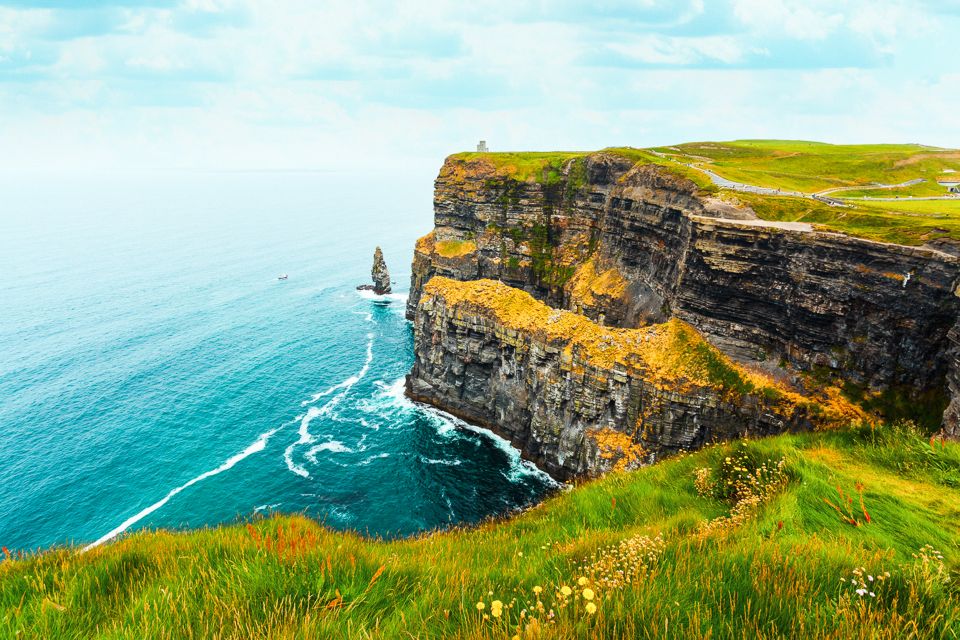
Cliffs of Moher, Burren and Galway City Day Tour
Explore Irelands west on a day trip from Dublin
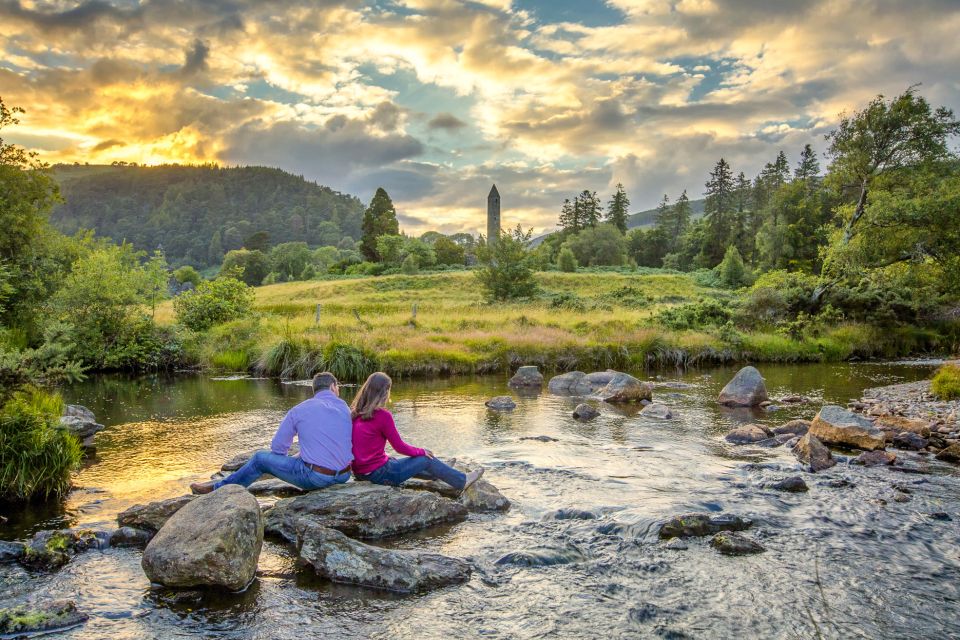
Kilkenny, Wicklow & Glendalough Tour & Sheepdog Show
Find the medieval charm of Kilkenny, the serene beauty of Glendalough, and the Wicklow Mountains.
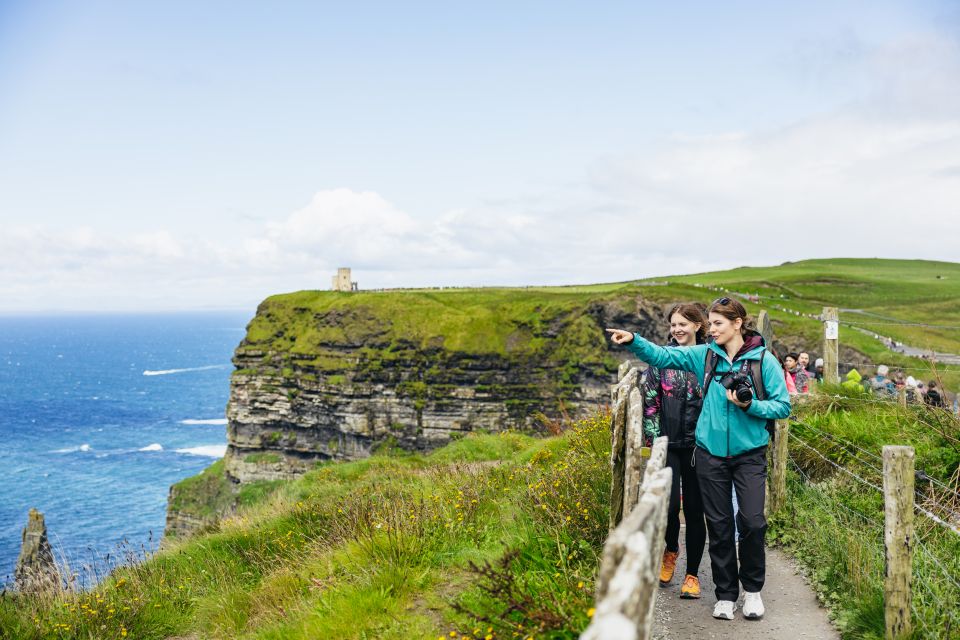
Full-Day Cliffs of Moher and Burren Guided Tour
Experience the beauty of the Wild Atlantic Way
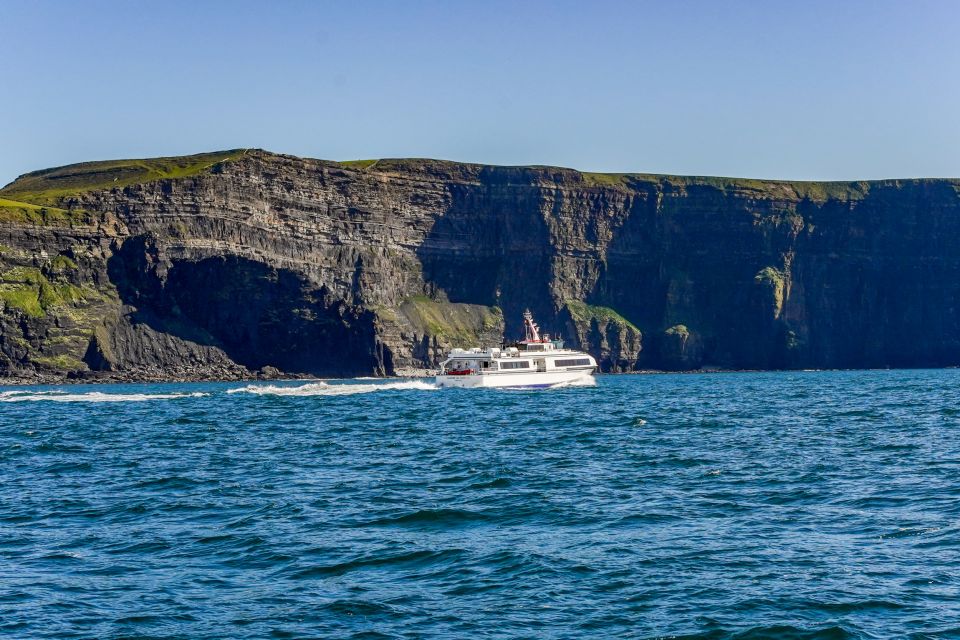
Aran Islands and Cliffs of Moher Day Cruise
Sail from Galway City to Inis Mor
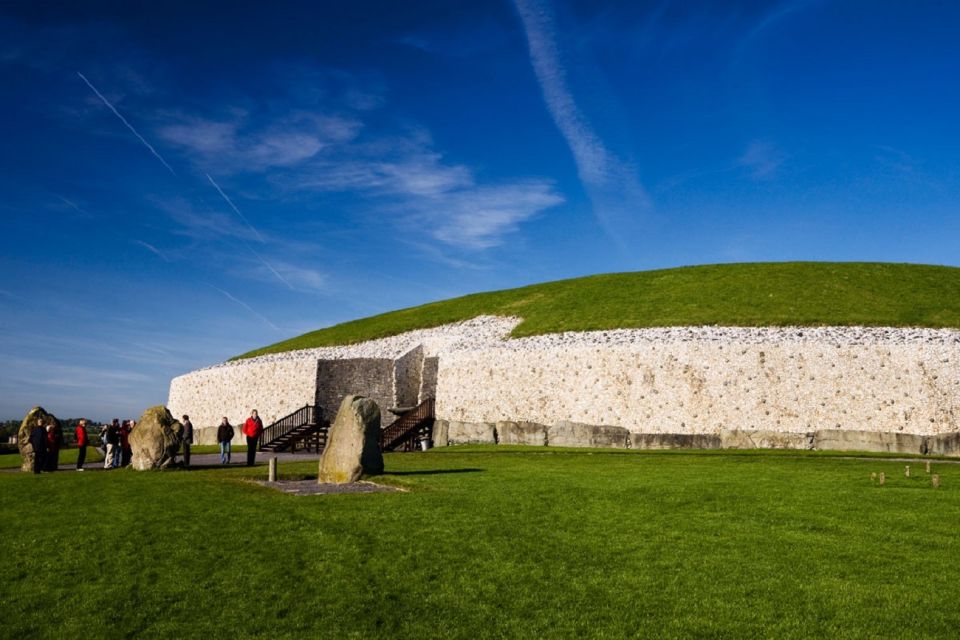
Boyne Valley with Newgrange and Bru Na Boinne Entry
Travel from Dublin to the UNESCO-listed Boyne Valley on a day trip.

Dublin LGBTQ Pride Historical and Cultural Walking Tour
Together we'll take a stroll through the streets of Dublin and explore some of the memorable figures of Ireland's Queer History. From Irish revolutionaries to civil rights agitators, pride March pion
Explore Activities in Ireland
Didn't see anything interesting yet?
Browse Viator's full catalog of tours, day trips, food experiences, and private guides in Ireland.
See All Ireland Tours on ViatorReady to plan your trip to Ireland?
Now that you've got the research covered, here's where to go next.